
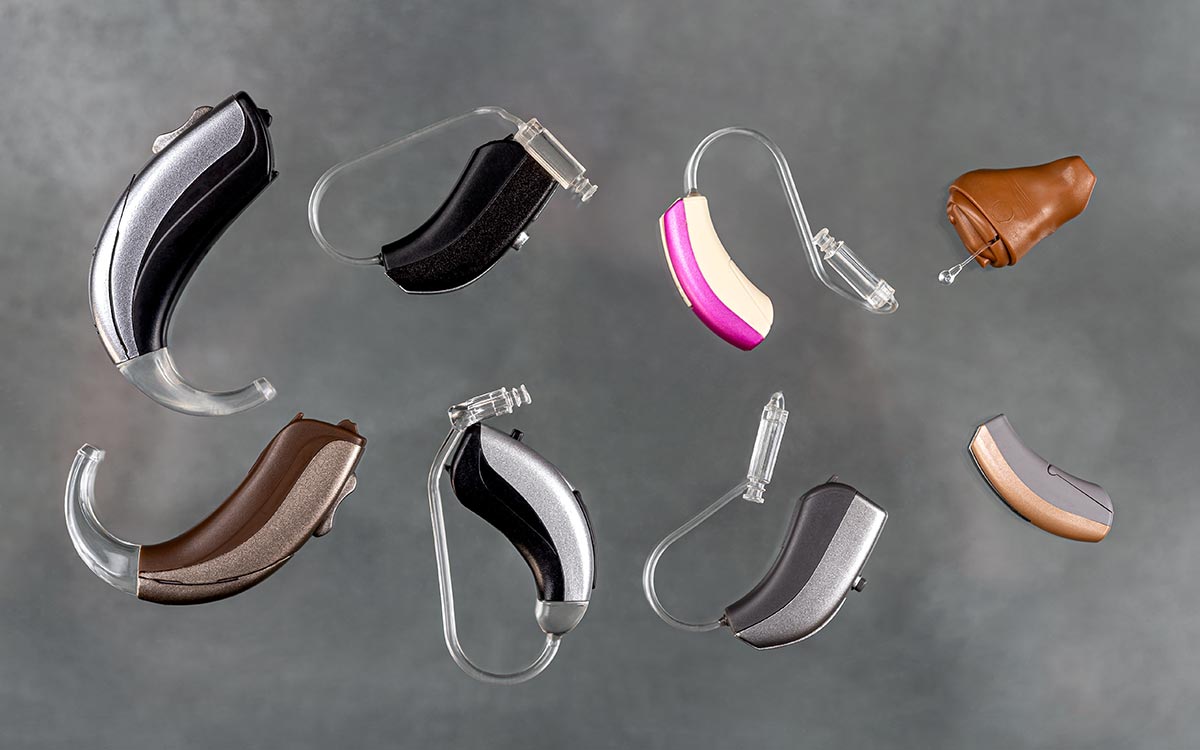
The sheer volume of hearing aid designs and technology levels on the market today can make the selection process feel complicated. Rest assured that there is a hearing device customized to every lifestyle and degree of impairment. The key is merely choosing the one that fits you best.
Feeling positive about your choice begins with knowing how different hearing aids function and compare. We are going to analyze the primary styles available today to help you understand what sets each option apart.
ITC (In-the-Canal) Hearing Solutions
The Meaning:
ITC models are custom-made to sit within the ear canal, though a small part of the shell remains visible in the ear’s outer portion.
Common Benefits:
- More discreet than larger models
- Individualized shaping guarantees long-term wearing comfort
- An effective choice for those with moderate hearing needs
First-time wearers frequently gravitate toward ITC aids because they strike a perfect compromise between size and performance.
Ultra-Discreet IIC Devices
What they are:
These are the tiniest custom-made units on the market today. This style rests deep in the ear for a completely covert appearance.
User Pros:
- The best choice for users prioritizing appearance
- Microphone depth helps mimic the ear’s natural sound collection
- Featherweight and easy
IIC devices are mainly aimed at patients with moderate hearing needs who want their technology to remain completely unnoticed.
In-the-Ear (ITE) Hearing Aids
What they represent:
These models fill either the complete or bottom half of the outer ear bowl. These are custom-fabricated for an exact match based on your ear’s anatomy.
The Advantages:
- An appreciably larger casing accommodates advanced tech and more powerful batteries
- Easier to handle for those with dexterity challenges
- An adaptable option that can address even significant levels of hearing loss
Many people pick ITE devices because they offer an integrated, self-contained design that doesn’t hook over the ear.
BTE (Behind-the-Ear) Essentials
Functionality:
An external hearing aid is placed outside the ear for an optimal fit. Audio is sent via a thin tube or a personalized mold in the canal.
Why users choose them:
- Known for remaining remarkably adaptable and robust
- Provides a wide selection of amplification suitable for nearly any user
- The spacious casing allows for high-tech extras and built-in power cells
BTE devices are a wonderful option for individuals seeking reliability, ease of use, and strong amplification.
RIC (Receiver-in-Canal) Summary
What they are:
RIC hearing aids appear comparable to BTE models, but the speaker (receiver) sits inside the ear canal rather than inside the device behind the ear.
Why users select them:
- Very natural sound quality
- Users appreciate the slim profile and comfortable fit for all-day use
- Flexible enough to treat an extensive number of hearing impairments
Thanks to their comfort and visual beauty, RIC devices have become an industry standard.
Extended-Wear Device Details
Usage Summary:
An audiologist places these specialized hearing aids deep into the canal, where they remain for multiple weeks.
Lifestyle Benefits:
- No routine insertion or removal
- Sitting low in the ear makes them completely hidden from view
- Engineering enables them to remain in the ear during all facets of daily life
Extended-wear devices are ideal for patients who want an effortless approach.
Bluetooth-Enabled Hearing Aids
Functionality:
Bluetooth-ready hearing aids allow for a wireless digital bridge between your hearing technology and your smart devices.
Modern Perks:
- Allows for sharp phone calls and media streamed directly to the device
- Allows for quick, discreet adjustments to your hearing aids through digital software
- Perfectly matched for the requirements of a tech-savvy, connected individual
This wireless technology is located in most modern behind-the-ear and in-the-canal models.
Middle-Ear Implants
Procedure Information:
This technology involves a surgical procedure to place a device that physically stimulates the bones of the middle ear.
Why patients pick them:
- A viable route for patients who are unable to wear standard acoustic devices
- Ideal for users who experience persistent irritation from standard molds
These devices need an exhaustive medical review by a hearing, nose, and throat expert.
Your Path to Improved Hearing
Selecting an instrument is a personal journey that takes into account your hearing severity, lifestyle habits, and visual preferences. An expert care professional can guide you through your choices, answer your questions, and help you experience how different devices for hearing loss or tinnitus look and feel.
If you’re prepared to explore the possibilities, schedule an auditory evaluation today. It’s an excellent first step toward better hearing and more confident communication every day.
Sources:
https://www.mayoclinic.org/diseases-conditions/hearing-loss/in-depth/hearing-aids/art-
20044116
https://www.hearinglife.com/hearing-aids/types
https://www.nidcd.nih.gov/health/hearing-aids