
Muffled hearing can impact every facet of your life, leaving you feeling confused and disconnected from the world around you. While the anxiety of lasting hearing damage is a common first response, the actual culprit is frequently a simple collection of earwax.
Distinguishing between a cerumen blockage and actual hearing loss is crucial for identifying if you need a simple removal or a formal diagnostic exam. In the event you are experiencing dull hearing, remain calm. While only a clinician can confirm the cause, reviewing these key indicators of wax vs. hearing loss can provide immediate clarity.
What Earwax Buildup Feels Like
Your ears generate wax as a natural protective mechanism to maintain integrity and keep debris away from the tympanic membrane. Problems occur when excessive wax builds up or turns clogged.
Typical markers of an obstruction involve:
- A noticeable decrease in hearing volume
- The perception that there is a physical obstruction in the ear
- Localized sensitivity or localized aching in the ear
- Constant buzzing or ringing sounds
- Instances of clearer hearing following a jaw stretch or chewing
A signature of blockage-based sound changes is asymmetry, typically affecting one side over the other. Thankfully, clearing the obstruction generally clears the signs immediately.
Identifying the Markers of Irreversible Auditory Decline
Hearing loss, particularly age-related or noise-induced hearing loss, tends to progress gradually and doesn’t improve when the canal is cleaned.
Signs of true hearing loss may feature:
- Trouble understanding conversation, especially in noisy environments
- A constant requirement for speakers to speak more clearly or loudly
- A tendency to increase audio output significantly to make up for hearing loss
- Reduced sensitivity to high-frequency auditory input
- Bilateral hearing shifts that impact both ears at once
A key distinction is that actual loss misses the physical “plugged” sensation that follows a cerumen blockage.
Comparing Wax Buildup and Auditory Loss
By analyzing the timing and specific symptoms, you can often determine which condition is affecting you:
- Progression: Obstructions can feel sudden, while hearing loss is virtually always slow
- Longevity: Cerumen issues are fixable and temporary, whereas loss is usually long-term
- Clues: Pressure points to a clog; struggling with speech clarity points to impairment
- Laterality: Wax often affects one ear; auditory impairment commonly impacts each
The Risks of DIY Ear Cleaning
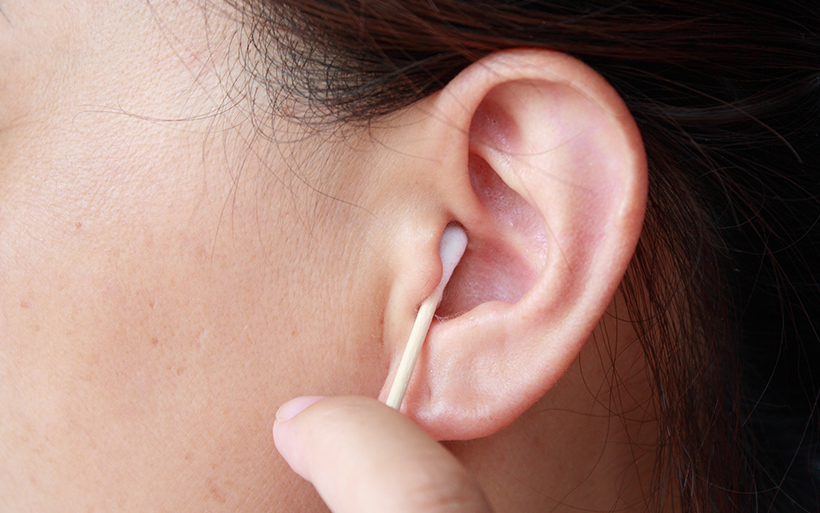
When hearing feels dampened, the instinctive urge is to use a cotton bud, but this is frequently a dangerous move. In truth, manual poking often compresses the wax further against the tympanic membrane, making the impaction more severe.
Clinical research shows that DIY removal often leads to unintended injury or more complex blockages.
Postponing a professional check-up for real hearing loss can result in losing out on solutions that protect your long-term cognitive and social well-being.
How a Clinical Exam Helps
A brief ear exam can instantly determine whether earwax is obstructing the ear.
If an obstruction is found, a clinician can clear it carefully, often returning your auditory function instantly.
Should the auditory canal be unobstructed but auditory struggles persist, an audiogram can assess if hearing loss is present and determine its category and severity.
Medical experts advise seeking a clinical evaluation as promptly as you notice hearing fluctuations that affect your lifestyle.
Closing Thoughts on Cerumen and Auditory Health
Dampened auditory quality is hardly a definitive sign of chronic impairment.
Very often, the problem is simply an accumulation of wax that can be quickly cleared.
A professional assessment will provide you with the answers you need to advance without worry.
Keep in mind that home assessment is no replacement for a clinical check-up when it pertains to your hearing.
Finding answers early can prevent unnecessary stress and ensure you obtain the appropriate treatment at the right moment.
If your hearing seems off, don’t guess. A brief exam can make all the difference, so contact our practice of clinicians right now.